The International Students’ Guide
Moving to the UK and becoming an international student can be pretty daunting. With lots of research and information to absorb about visas and safety, we’ve decided to take some of your stress away. This guide covers everything you need to know about becoming an international student in the UK.
UK University Requirements for International Students
Before you book your flight, there are some requirements you need to make sure you’re up to date with before committing to studying internationally. Understanding the required English language certifications, which type of visa you should apply for, and your safety as an overseas student are all paramount to your application process and enjoying living as an international student.
English Language Certification
Most UK universities require proof of your English language ability as part of your application. The most widely accepted test is IELTS (International Language Testing System), which covers listening, reading, writing, and speaking.
The International Language Testing System (IELTS) is the world’s most popular English language test. The assessment includes listening, reading, writing and speaking.
Don’t worry; the British Council has free online courses and resources to help you prepare for your test. These tests are a completely normal process for any global migration. They will ensure your English is at a standard that will help you not only succeed in your course but also feel more comfortable integrating into UK culture and your local community.
The test you need, and the score required, will depend on your university and course level, so always check with your institution directly. TOEIC and TOEFL English language proficiency tests are not generally accepted for UK student visa applications unless taken as part of a UKVI-approved Secure English Language Test (SELT). However, some universities may still accept TOEFL or other English language tests for admission purposes, so it is important to check the specific requirements of your chosen university. For more information, contact the British Council.
Student Visas for the UK
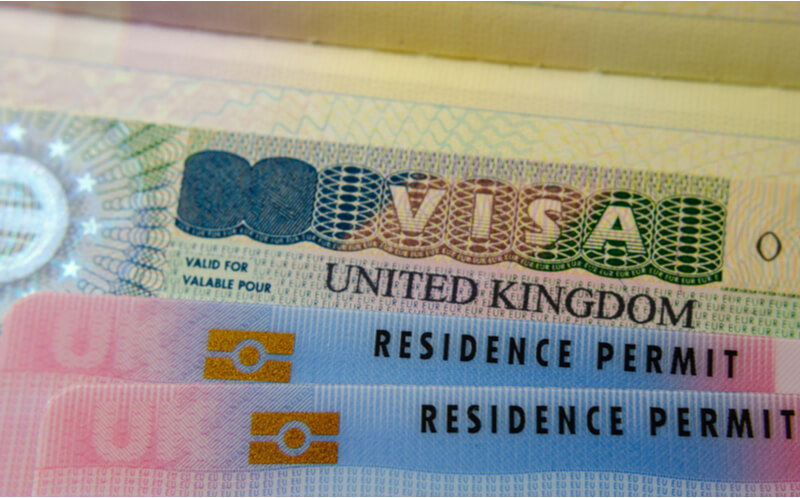
Before you commence your studies and come to the UK, you must find out if you need a visa and what kind of visa you need. There are different types of visas, which are determined by the following:
- How long you’re studying for
- The type of course you are studying
- Your country of origin
- Your age
Check if you need a visa by visiting the government website. Once you have established whether or not you need a UK student visa, it’s important to make sure you’re applying for the one that best suits your circumstances.
It is also important to be aware of recent UK immigration updates. The introduction of the Electronic Travel Authorisation (ETA) means some travellers who don’t need a visa for short stays may still need approval before travelling. While most international students will require a Student visa, an ETA may apply in certain situations, such as transiting through the UK. As policies can change, it’s best to check the latest guidance on the UK government website before you travel.
Types of UK Student Visas
Student Visa (Formerly Tier 4 General)
This is the main visa for international students aged 16 and over who want to study at a UK university or college. You will need this if you are from outside the UK, Ireland, or the EU/EEA (unless you have settled or pre-settled status under the EU Settlement Scheme).
To be eligible, you must:
- Have an unconditional offer from a licensed student sponsor (your university)
- Have a Confirmation of Acceptance for Studies (CAS) reference number from your university
- Meet the English language requirements
- Have enough money to cover your tuition fees and living costs (see the bank balance requirements below)
- Not be from a country in the EEA or Switzerland (unless you do not have EU Settlement Scheme status)
How long can you stay?
The length of your visa depends on your course:
- Degree-level courses: up to 5 years
- Below degree-level: up to 2 years
- Doctorate (PhD): up to 8 years
You can arrive in the UK up to 1 month before your course starts if it lasts more than 6 months, or 1 week before if it is 6 months or shorter.
Short-Term Study Visa
This visa is for students who want to study a short English language course in the UK (up to 6 months, or 11 months if the course is an English language course). It is for people from outside the EEA and Switzerland who do not qualify for the full Student visa.
Cost: £200, plus the Immigration Health Surcharge (see IHS fees below).
How to apply: You can apply up to 3 months before your travel date. Decisions are usually made within 3 weeks, though processing times vary by country. You can check current processing times on the Government website.
Child Student Visa
For students aged 4 to 17 who want to study at an independent school in the UK. As most university students are 18 or over, this doesn’t apply to the majority of applicants, but you can find out more on the government website.

How to Apply for a UK Student Visa
Here is a step-by-step overview of the application process for the main Student visa.
- Receive your CAS from your university: Once you have accepted an unconditional offer, your university will issue a Confirmation of Acceptance for Studies (CAS). This is a unique reference number you will need for your visa application.
- Check your finances: You must show you have enough money to pay for your course and support yourself. Requirements vary depending on your course and location, so make sure to check the current financial requirements on gov.uk.
- Gather your documents: For the application process, you will typically need:
- A valid passport
- Your CAS reference number
- Proof of English language ability (approved test results or equivalent)
- Bank statements showing you meet the financial requirements
- Evidence of academic qualifications (if required by your course provider)
- A recent passport-sized photograph
- Tuberculosis (TB) test results (required for applicants from certain countries)
- Apply online: Apply on the UK government visa application portal. You can apply from outside the UK up to 6 months before your course starts. If you are applying from within the UK (for example, extending an existing visa), you can apply up to 3 months before.
- Pay the visa fee and Immigration Health Surcharge: The application fee is £524 for both those applying from outside and inside the UK. You will also need to pay the IHS (see below).
- Attend a biometric appointment: You may need to visit a visa application centre to have your photograph and fingerprints taken. Make sure you remember to take all of your documents along with you for this.
- Wait for a decision: You should receive a decision within 3 weeks if applying from outside the UK.
Student visa FAQs
What is a Student Visa?
A UK student visa gives you the right to live and study in the UK for the duration of an approved course. It is granted on the basis that you have a confirmed place at a licensed student sponsor (your university or college), meet the English language requirements, and can demonstrate you have enough money to support yourself during your studies.
What is a Tier 4 student visa?
The Tier 4 General Student visa was the previous name for the current UK Student visa. The name changed in October 2020 as part of a wider immigration system update, but the eligibility criteria and application process are largely the same. If you see references to a “Tier 4 visa” on older documents or websites, this is the same as the current Student visa.
How long does a student visa last?
The length of your visa depends on your course:
- Degree-level: up to 5 years
- Below degree-level: up to 2 years
- Doctorate: up to 8 years
- Short-term study visa: up to 6 months (or 11 months for English language courses)
Your visa will cover the duration of your course plus a short period afterwards, typically 4 months at degree level.
Is an appointment compulsory for UK student visas?
Yes, most applicants will need to attend a visa application centre to provide biometric information, which includes a photograph and fingerprints. Make sure all your documents are ready before attending.
Can I stay in the UK before or after my student visa period?
Each visa has different rules. You can arrive up to 1 month before your course starts if it lasts more than 6 months, or up to 1 week before for shorter courses. If you wish to remain in the UK after your student visa expires, you’ll need to apply for the appropriate visa, such as a Graduate visa, a work visa, or another route. The Graduate visa currently allows you to stay for 2 years (or 3 years for PhD graduates), but this will be reduced to 18 months for applications made from January 2027.
Can you work on a student visa in the UK?
Yes, in most cases. If you are studying at degree level or above at a university or other licensed sponsor, you are usually permitted to work up to 20 hours per week during term time, and full-time during official vacation periods. Students on below-degree-level courses may have more restricted work rights. Always check the specific conditions attached to your visa, as working more hours than permitted is a breach of your visa conditions.
Can I extend my student visa in the UK if I fail?
This depends on your circumstances. If you need more time to complete your course, for example, due to a resit or course extension, your university can issue a new CAS, and you can apply to extend your visa. However, there is no automatic entitlement to an extension if you fail. Your university will advise you on whether you remain enrolled and whether a new CAS can be issued, but it’s important to apply before your current visa expires.
Does a student visa count towards Indefinite Leave to Remain (ILR)?
Time spent in the UK on a student visa does not count towards the standard 5-year qualifying period for Indefinite Leave to Remain (ILR). However, if you switch to a work visa, such as the Skilled Worker visa, after your studies, that time will count. If long-term residency in the UK is your goal, it is worth understanding which visa routes contribute to ILR eligibility from the outset.
How much bank balance is required for a UK student visa?
The amount you need to show in your bank account depends on where you will be studying and how long your course is. As of 2025/26:
- Studying in London: you need to show £1,334 per month for up to 9 months (maximum £12,006)
- Studying outside London: you need to show £1,023 per month for up to 9 months (maximum £9,207)
This is in addition to your first year’s tuition fees (unless your CAS shows they have already been paid). Funds must have been held in your account for at least 28 consecutive days before you apply, and the most recent bank statement must be dated no more than 31 days before your application. For more information, read the latest financial requirements.
What is the IHS fee, and how much is it for a student visa?
The Immigration Health Surcharge (IHS) is a fee paid by international students and other visa applicants to access NHS healthcare during their stay in the UK. It is paid as part of your visa application and covers the full length of your visa.
As of 2024, the IHS rate for students is £776 per year. For a 3-year degree, that would be £2,328 in total. You pay this upfront when you apply, and the fee is reviewed periodically.

UK Safety for Overseas Students
The UK is a safe country to study, work and live in, but you can always take some extra steps to ensure your security and overall well-being. Ensuring you and your belongings are safe will help you enjoy your time in the UK.
- When travelling, avoid unmarked taxi cars and always keep your belongings with you. Report anything suspicious on your travels, such as unattended luggage, to the transport staff.
- Always lock your doors and windows when you leave your home or at night whilst you’re sleeping to prevent the risk of intruders. If you need to store a spare key, use a lockbox rather than stashing it under a doormat.
- Create a buddy system with your friends where you can travel in groups or check that each other has got home safely. Leave notes for your housemates and let your family know where you are travelling to, and when you’re expected home. Encourage your friends to do the same.
- When visiting large cities or at night, try to stick to well-lit and busier streets. Avoid having your gadgets on show, and don’t carry large amounts of cash. Stay vigilant of pickpockets and plan your travel route before leaving home.
Explore our guide to staying safe in London for more in-depth advice on how to navigate the capital.
Moving to another country for your studies is an exciting time. Being prepared with your application will remove unnecessary stress and improve your chances of being accepted. Once you reach the UK, enjoy your time, stay safe, and don’t overstay your visa.
Find your perfect student accommodation in London with urbanest. Discover central locations and luxury amenities to get the ultimate student experience while in the UK.