What to Do If You Don’t Get University Accommodation
Universities only have a limited number of rooms available, and with thousands of students applying each year, demand often outweighs supply. Priority usually goes to international students, those with accessibility requirements, or people living furthest from campus. If you applied after the deadline, missed a form, or are a returning student, your chances of securing university accommodation may have been lower – but it’s not a reflection on you. It’s simply a matter of timing and availability.
Missing out on university accommodation can feel stressful, but you’re far from alone, and there are plenty of brilliant alternatives to explore. From private student accommodation providers to house shares and private rentals, you’ll find a wide range of options that suit your budget, lifestyle, and preferred location. The key is knowing where to look and acting quickly to secure a place that feels like home.
1. Explore different accommodation options
If you haven’t managed to secure a place in your university’s halls, don’t worry – there are plenty of great alternatives. From private student accommodation designed for social living to house shares and private rentals, there are still plenty of ways to meet new people and enjoy the full uni experience. Here are some of the best accommodation options for students to explore.
Private student accommodation
Purpose-built student accommodation, like urbanest, offers a premium alternative to university halls with several advantages. You’ll get modern, fully-furnished rooms with all bills included, 24/7 on-site support teams, and often prime central locations near major universities and transport links. These properties often feature better amenities than traditional halls – think study spaces, social areas, gym facilities, and organised community events that help you settle in and meet new people. The application process is typically straightforward. Explore our central London locations and secure your room using our online booking form.

House or flat shares with other students
Sharing a house or flat with fellow students creates a different but equally exciting experience. You’ll have more independence, potentially more space, and often lower costs than halls. Start by connecting with other students through university Facebook groups, student forums, or accommodation websites. When viewing properties, check the landlord is registered, understand what’s included in the rent, and ensure you’re comfortable with the housemates and location. Always view properties in person before committing and never transfer money without a proper tenancy agreement.
Private rentals and studio flats
If you prefer your own space or are a mature student seeking more privacy, private rentals offer complete independence. Studio flats give you full control over your living environment, though they typically cost more than shared accommodation. When searching, use reputable letting agents or property websites, budget for deposits (usually 5-6 weeks’ rent), and factor in additional costs like utilities, council tax exemption applications, and contents insurance. Consider locations slightly further from campus for better value – good transport links can make a 20-minute commute worthwhile for the right property.
Explore our range of premium studio flats in London at urbanest and read our guide on how to book last minute student accommodation to help you get things sorted.
2. Check social media and housing apps
No, we’re not encouraging you to procrastinate – scrolling might actually help. Social media platforms like Facebook, Reddit, and TikTok are full of student housing groups where people post spare rooms, flat shares, or last-minute accommodation leads. Try searching for groups linked to your university or city to find people in the same boat as you.
There are also dedicated apps and websites, such as SpareRoom and StuRents, where you can filter by budget, location, and amenities. Many students use these platforms to find like-minded flatmates or sublets near campus. Just remember to stay cautious, always verify listings, and avoid sending deposits until you’ve confirmed the property and landlord are genuine.
Related: The Best London Apps to Have on Your Phone.

3. Contact your university
Even if you’ve missed out on a room in official halls, your university accommodation office can still be a valuable resource. Reach out to them directly – they often have up-to-date information on cancellations, waiting lists, or partnerships with private student accommodation providers.
Some universities also maintain verified housing lists or can connect you with other students looking for roommates. By letting them know your situation early, you’ll be the first to hear about any last-minute openings. They’re there to help, so don’t be afraid to ask for advice – universities deal with this every year and will want to support you in finding somewhere safe and comfortable to live.
4. Look in the next town or city
If options near campus are running low, broaden your search to nearby towns or neighbouring areas. Many universities have great transport links, meaning you might only be a short bus or train ride away, often for a lower rent.
Exploring a nearby town can actually enhance your uni experience. You might discover quieter, more affordable neighbourhoods with local cafés, green spaces, and fewer distractions when you need to study. Just check travel times and late-night transport options before committing.
Related: The Best Places to Live in London as a Student.
5. Consider living at home
Living at home during university doesn’t mean missing out on student life. You can still get fully involved by joining societies, attending campus events, and spending time in communal spaces between lectures. Making an effort to stay connected, whether that’s grabbing coffee with classmates or attending nights out, helps you build friendships and feel part of the community.
Discover our top hacks for making friends at university to help you stay connected no matter where you’re living.
Commuting from home can also have its advantages. You’ll save money, enjoy home comforts, and have a quiet space to recharge after busy days. Treat it as an opportunity to balance independence with support – managing your own schedule, budgeting for travel, and finding routines that work for you.
6. Find temporary accommodation while you search
Living at home during university doesn’t mean missing out on student life. You can still get fully involved by joining societies, attending campus events, and spending time in communal spaces between lectures. Making an effort to stay connected, whether that’s grabbing coffee with classmates or going on nights out, helps you build friendships and feel part of the community.
Commuting from home can also have its advantages. You’ll save money, enjoy home comforts, and have a quiet space to recharge after busy days. Treat it as an opportunity to balance independence with support – managing your own schedule, budgeting for travel, and finding routines that work for you.
Tips for securing alternative accommodation quickly
1. Start your search immediately
Time is crucial when searching for student accommodation. The best properties get snapped up quickly, particularly in September when everyone’s looking. Set up alerts on accommodation websites, join waiting lists for student accommodation, and check university notice boards daily. Contact multiple options simultaneously rather than waiting for responses one by one. Have your documents ready, such as proof of student status, guarantor details, and bank statements, to move quickly when you find the right place.
2. Create an essential viewing checklist
Never commit to accommodation without viewing it first, even if you’re pressed for time. During viewings, check the heating works, test water pressure, look for signs of damp or mould, and ensure windows and doors lock properly. Ask about broadband speeds, laundry facilities, and bicycle storage if needed. Take photos, note the inventory condition, and clarify what furniture is included. If viewing virtually, request a live video tour rather than relying on photos alone.
Related: Understanding Tenancy Agreements For Students.
3. Stick to your budget
Budgeting realistically for your accommodation is key to avoiding surprises later on. Remember to factor in more than just the monthly rent – things like deposits, utility bills (if they’re not included), contents insurance, and travel costs to campus can quickly add up. Some private student accommodations include all bills in the rent, which can make managing your money much simpler. It’s worth creating a quick spreadsheet to compare the total costs of different options and keep track of your spending.
At urbanest, all your bills are included, from Wi-Fi and utilities to contents insurance and maintenance. It means no unexpected costs, just one simple payment that makes budgeting and student life that bit easier.
Read our guide on how to budget at university for more money-saving tips.
What financial support is available?
Don’t struggle in silence if accommodation costs are stretching your budget. Most universities have hardship funds or emergency accommodation grants for students in financial difficulty. Book an appointment with your student services team to discuss options – they can advise on bursaries, short-term loans, or payment plans. Some universities also maintain lists of approved, affordable local accommodation that could help you stay within your budget.
When should you start looking for student accommodation for next year?
Take this as a learning experience and get a head start next time. Most university accommodation applications open around January or February for the following September, so set a reminder and start your research early. The Christmas holidays are a great time to explore your options. Make sure your finances are in order before applications open, and if you’re happy where you are now, ask about renewing or extending your contract in advance. Building a good relationship with your landlord or accommodation provider can also pay off – it might even give you priority for the best rooms next year.
Read our guide to securing second year accommodation for more tips and advice.
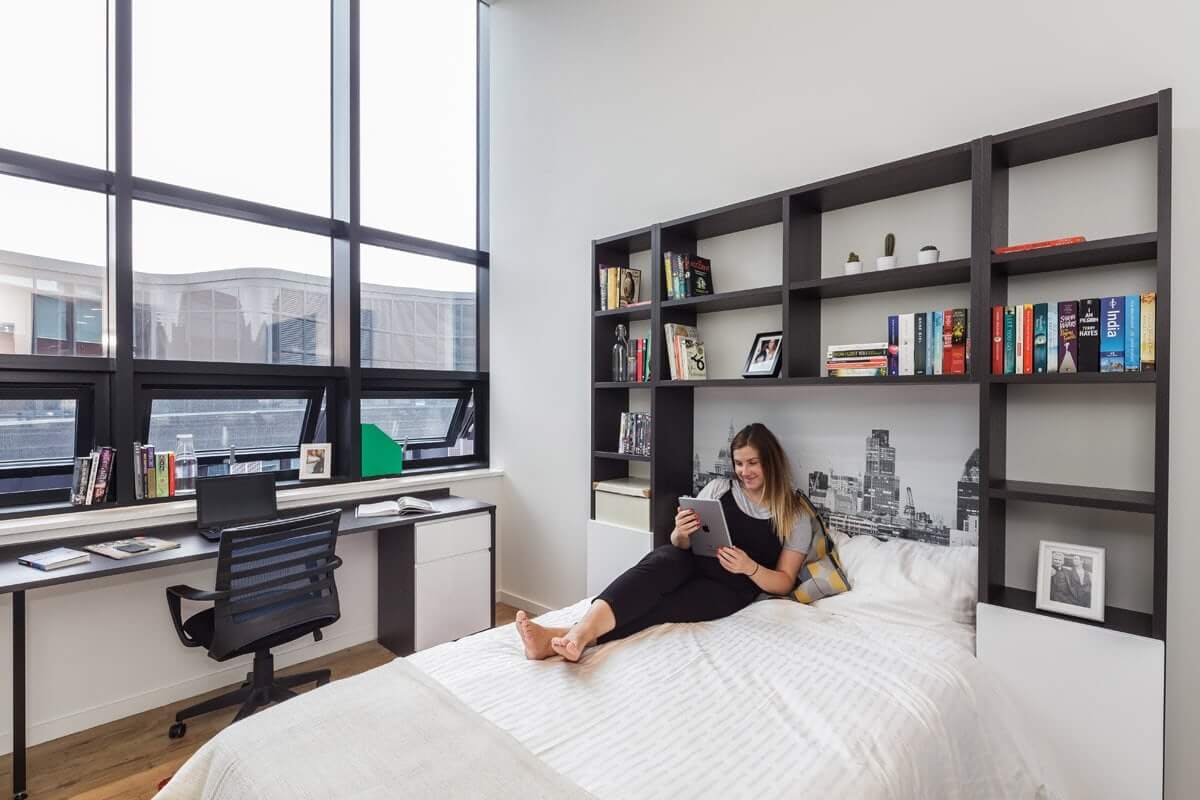
Missing out on university accommodation can feel daunting at first, but it often leads to new opportunities and experiences you might not have considered. Whether you find yourself in private student housing, a flat share, or living at home, there are plenty of ways to make your uni life just as social, comfortable, and rewarding. With a little planning, flexibility, and the right support, you’ll soon settle into a space that feels like home, and be better prepared when next year’s applications open.